
Your physician will perform a thorough evaluation to confirm that the sacroiliac joint is the source of your pain. This may include a physical examination, imaging studies, and diagnostic SI joint injections.
Patients
Do I Have Sacroiliac Joint Dysfunction?
Only a qualified healthcare professional can determine if your symptoms are caused by sacroiliac (SI) joint dysfunction. Because SI joint pain can resemble other conditions affecting the lower back or pelvis, it may not always be recognized without a thorough medical evaluation.
SI joint dysfunction commonly presents as pain in the lower back, buttock, groin, or upper leg, often worsening with standing, walking, climbing stairs, or changing positions. A careful clinical assessment is important to establish the correct diagnosis.
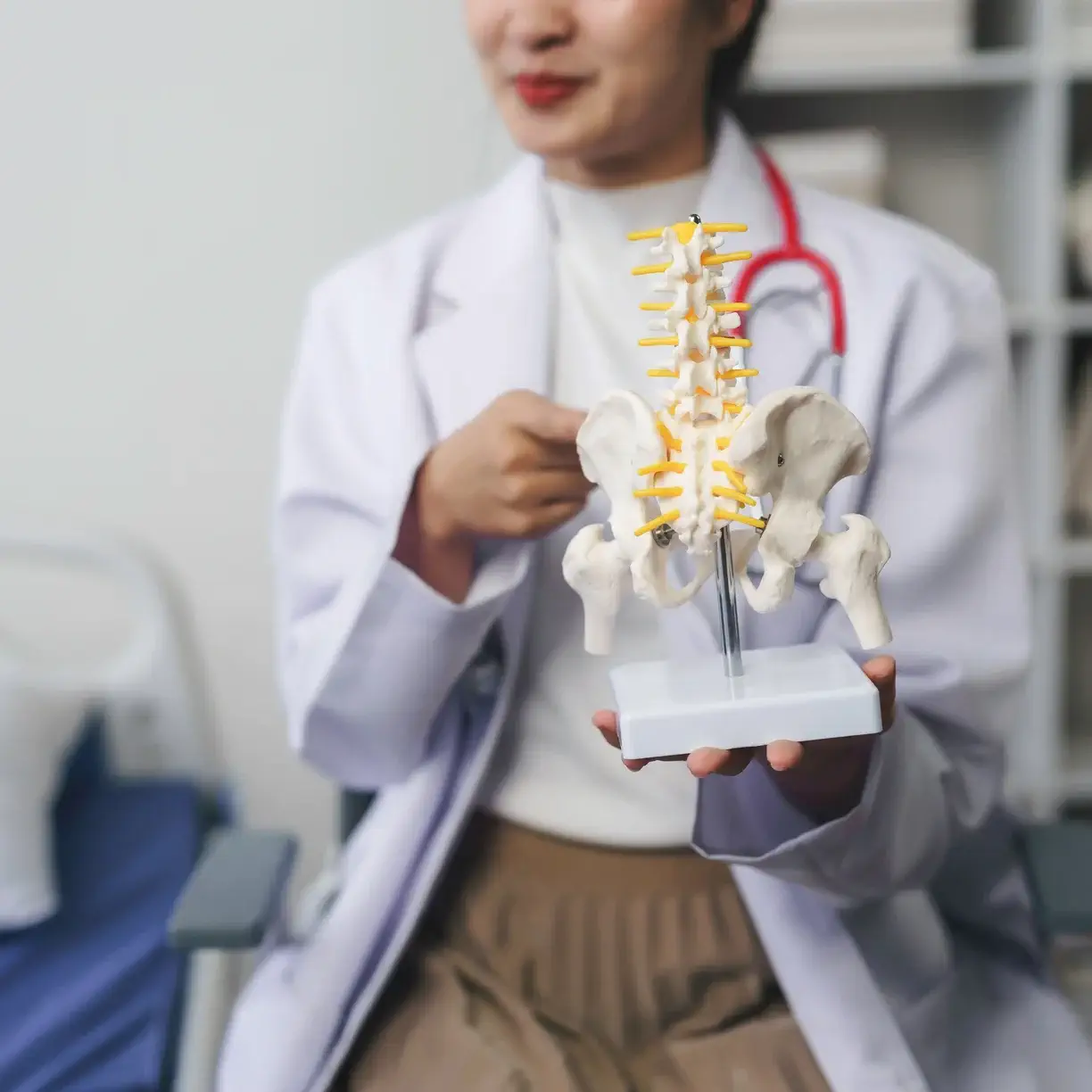
What Can I Expect?
If your physician has recommended SI joint fusion, it's natural to have questions about the procedure and recovery. While every patient is different, most minimally invasive SI joint fusion procedures follow a similar path.
-
Before Surgery
-
During the Procedure
Minimally invasive SI joint fusion is typically performed through a small incision using specialized instruments and imaging guidance. The procedure is designed to stabilize the SI joint while minimizing disruption to surrounding muscles and tissue.
-
After Surgery
Many patients are able to go home the same day. Your surgeon will provide detailed instructions regarding:
- Walking and activity
- Weight-bearing restrictions, if needed
- Physical therapy
- Pain management
- Follow-up appointments
Recovery Goals
Your SI joint fusion procedure should:
- Reduce chronic SI joint pain
- Improve stability of the sacroiliac joint
- Restore function and mobility
- Help you return to activities you enjoy
Every Patient
Is Different
Your surgeon is the best source of information regarding your specific condition, treatment options, expected recovery timeline, and potential risks and benefits.